Most people think they know what good coffee is.
Strong. Hot. Maybe a little sweet.
But strength isn’t the same as quality. And sweetness isn’t something you should have to add.
A good cup of coffee is quieter than that. It doesn’t announce itself. It just feels right from the first sip.
It starts with balance.
Not too sharp, not too flat. A good coffee sits in the middle, where nothing sticks out in the wrong way. You taste it, and it doesn’t push back. It holds.
That balance comes from how the coffee is prepared. Too fast, and it turns thin. Too slow, and it becomes heavy and bitter. There’s a narrow window where everything lines up, and that’s where the cup starts to make sense.
Then there’s texture.
It’s something most people don’t think about, but it’s what you feel more than what you taste. A good coffee has weight, but not heaviness. It moves cleanly across the palate. It doesn’t feel watery, and it doesn’t feel dense.
That’s where milk comes in, if you choose it.
A cappuccino feels lighter, almost lifted. A latte smooths everything out. A cortado keeps things closer, more direct. The difference isn’t just flavor, it’s how the drink lands.
Sweetness is where people get it wrong.
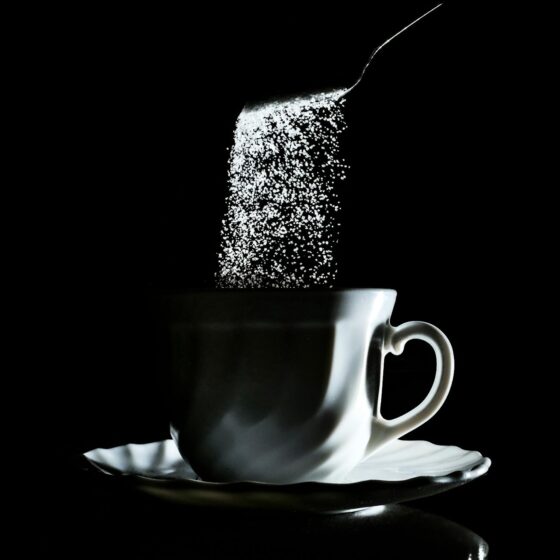
Most assume coffee needs sugar. In reality, good coffee already carries its own softness. Not sugary, but naturally rounded.
When that’s there, you don’t feel the need to fix it.
If you want to shift it slightly, it should be subtle. A touch of something added, not a transformation. That’s why we keep sweetness controlled, with house-made syrups or sugar-free options using monk fruit, just enough to adjust the drink without covering it.
Temperature matters more than people realize.
Coffee that’s too hot hides everything. Coffee that’s too cold loses structure. There’s a short window where it opens up, where you can actually taste what’s there.
That’s usually the moment most people rush past.
And then there’s consistency.
A good cup once doesn’t mean much.
A good cup, every time, is what matters.
That only happens when the coffee is adjusted continuously, not assumed to be correct. Small changes throughout the day keep it from drifting, so what you taste in the morning still holds later on.
There’s also a different way to experience it, if you slow down.
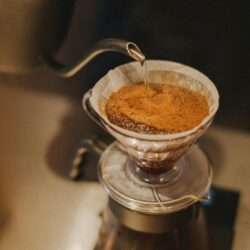
A pour over opens the coffee more, lets it breathe. A matcha prepared to order moves at a completely different pace, softer, more deliberate. It’s not about replacing coffee, just approaching it from another angle.
That contrast is part of what makes the experience feel complete.
In the West Village, at APERITIVO by CARTA, the goal isn’t to complicate things. It’s to make something you can trust without thinking about it.
Because once you know what a good cup feels like, even in a small way, it becomes harder to accept anything less.
Good coffee doesn’t need to be explained.
You recognize it when it’s there.